


Discovery & Medical Applications of Nicotinamide Adenine Dinucleotide (NAD+)
Nicotinamide Adenine Dinucleotide (NAD+) discovery timeline
Nicotinamide Adenine Dinucleotide (NAD+) was first identified in 1906 by British biochemists Arthur Harden and William John Young during yeast fermentation studies. They observed a heat-stable cofactor ("coferment") essential for sugar breakdown, later named "cozymase." In 1936, German scientist Otto Warburg (Nobel Laureate, 1931) definitively characterized its chemical structure as a dinucleotide comprising nicotinamide and adenine linked by phosphate groups. Concurrently, Conrad Elvehjem (1937) linked NAD+ to pellagra prevention by demonstrating nicotinic acid (niacin) as its precursor vitamin.
Otto Warburg did not discover NAD+ itself, but he significantly contributed to the understanding of its function in fermentation and cellular metabolism. His research in the 1930s showed how NAD+ is involved in essential chemical reactions, particularly in the metabolism of tumors.
Mechanistic Breakthroughs
- Hans von Euler-Chelpin (Nobel 1929) confirmed NAD+'s role in hydrogen transfer.
- In the 1950s, Arthur Kornberg discovered NAD+ synthase, elucidating its biosynthesis pathway.
- Recent structural biology (cryo-EM/X-ray crystallography) revealed precise interactions with sirtuins and PARPs.
Medical Applications of NAD+
1. Metabolic Disorders: NAD+ precursors (nicotinamide riboside, NMN) boost cellular NAD+ levels, enhancing mitochondrial function. Clinical trials show improved insulin sensitivity in prediabetic patients (*Cell Metabolism*, 2016).
2. Neurodegenerative Diseases: NAD+ replenishment protects neurons by activating sirtuins (SIRT1/3). In models of Alzheimer's/Parkinson's, it reduces oxidative stress and amyloid toxicity (*Nature Communications*, 2018).
3. Aging Interventions: NAD+ decline correlates with aging. Supplementation extends healthspan in mammals via DNA repair (PARP1) and epigenetic regulation (sirtuins). Human trials demonstrate improved vascular function and muscle strength (*Science*, 2020).
4. Chemotherapy Mitigation: NAD+ coadministration reduces cisplatin-induced neuropathy by preserving neuronal energy metabolism (*Journal of Clinical Oncology*, 2021).
Current Nicotinamide Adenine Dinucleotide (NAD+) Challenges
Bioavailability limitations persist. Novel delivery systems (sublingual, nanoparticle-encapsulated NAD+) are under investigation to overcome rapid degradation.
From its discovery in fermentation to modern geroscience, NAD+ remains a cornerstone of cellular metabolism therapeutics. Ongoing research focuses on targeting tissue-specific NAD+ pools for precision medicine.
Related articles
Articles

The following is a "healthy food hot list" consisting of the 29 food that will give you the biggest nutritional bang for you caloric buck, as well as decrease your risk for deadly illnesses like cancer, diabetes and heart disease. Along with each description is a suggestion as to how to incorporate these power-foods into your diet.

Hi, This is real gbnstore site and gbnstore login page. There are FAKE gbnstore websites out there. Please be careful which links you are visiting because there are FAKE gbnstore websites. Our domain is .NET and if we will change it we will notify you. Real site is www.gbnstore.top
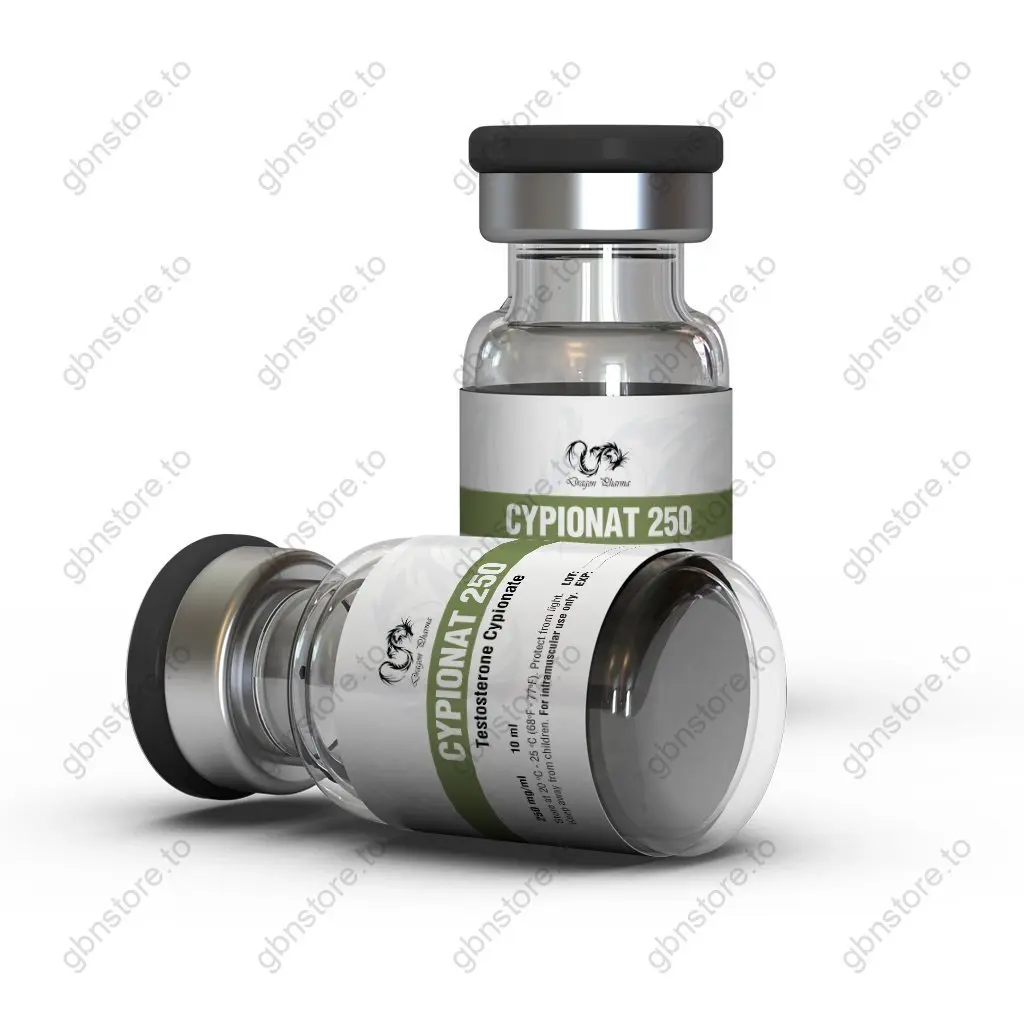
Testosterone Cypionate is a synthetic form of testosterone that is widely recognized for its role in enhancing muscle growth, strength, and overall athletic performance. Dragon Pharma is a well-known brand that specializes in the production of pharmaceutical-grade anabolic steroids, including Testosterone Cypionate.