


Oral vs Injectable Primobolan
Oral vs Injectable Primobolan: How They Differ, How They Work, and What to Consider
Primobolan is the common name for methenolone, an anabolic-androgenic steroid (AAS) sometimes used in medical settings and also misused for muscle growth, strength, and recovery. It is available in two main forms: oral Primobolan, usually methenolone acetate, and injectable Primobolan, commonly methenolone enanthate.
Although both forms are based on the same active hormone, they are not identical in how the body processes them, how long they remain active, or what risks they may carry. Understanding these differences is important for anyone researching steroids and their effects on health.
What Is Primobolan?
Primobolan is a modified form of dihydrotestosterone (DHT), a naturally occurring androgen. Like other anabolic steroids, it interacts with androgen receptors inside cells. These receptors are found in tissues such as skeletal muscle, bone, skin, and reproductive organs.
Once Primobolan binds to an androgen receptor, it can influence gene activity involved in protein production. This may support increased muscle protein synthesis, nitrogen retention, and red blood cell production. In practical terms, these effects may contribute to muscle preservation, recovery, and strength.
However, Primobolan is generally considered a relatively mild steroid compared with compounds such as testosterone, trenbolone, or dianabol. "Mild" does not mean harmless. It can still disrupt the body's hormone system and produce significant side-effects.
Primobolan does not convert into estrogen through aromatization. As a result, it is less likely than some other steroids to cause estrogen-related effects such as water retention or gynecomastia. Nevertheless, hormonal suppression and other health risks remain possible.
Oral Primobolan: How It Works
Oral Primobolan is taken by mouth and is designed to resist breakdown in the liver well enough to reach the bloodstream. It is usually associated with methenolone acetate.
After absorption through the digestive system, oral Primobolan enters circulation and interacts with androgen receptors. The liver processes much of the substance, and the compound is eventually broken down and eliminated.
One important point is that oral Primobolan is not the same as highly liver-toxic oral steroids such as methylated compounds. It is generally regarded as less stressful to the liver than many other oral steroids. Still, it can affect liver enzymes and should not be treated as risk-free, especially when combined with alcohol, prescription drugs, or other steroids.
Because oral Primobolan is cleared from the body relatively quickly, its effects tend to be shorter-lived than those of the injectable version. Some people may prefer oral administration because it avoids needles, but tablets can involve more frequent dosing and greater reliance on the liver for processing.
Possible side-effects of oral Primobolan include:
- Suppression of natural testosterone production
- Changes in cholesterol levels
- Increased blood pressure
- Acne and oily skin
- Hair loss in genetically susceptible individuals
- Mood changes or irritability
- Reduced fertility and testicular shrinkage
- Possible liver stress
Women may experience voice deepening, increased facial or body hair, menstrual changes, and clitoral enlargement. Some of these effects can be permanent.
Injectable Primobolan: How It Works
Injectable Primobolan is usually methenolone enanthate, an esterified form of methenolone. The attached ester slows the release of the active hormone after injection.
This creates a depot in the muscle tissue. The body gradually removes the ester, releasing methenolone into the bloodstream over time. Because of this slower release, injectable Primobolan generally has a longer half-life than oral Primobolan.
The longer action may produce more stable blood levels and reduce the need for frequent administration. It also means that side-effects may persist for longer after the person stops using it. If a problem develops, the compound cannot simply be removed from the body immediately.
Injectable Primobolan avoids much of the first-pass processing that occurs when an oral drug travels through the digestive system and liver. This may reduce direct liver strain compared with oral Primobolan, but it does not eliminate overall health risks.
Injection itself creates additional concerns. Poor technique, contaminated products, or non-sterile equipment can lead to abscesses, cellulitis, blood-borne infections, or tissue damage. Products obtained from unregulated sources may also contain incorrect doses or unexpected substances.
Potential side-effects include:
- Testosterone suppression
- Reduced sperm production
- Unfavorable cholesterol changes
- Elevated blood pressure
- Acne and accelerated hair loss
- Mood or sleep changes
- Injection-site pain or infection
- Increased cardiovascular strain
Oral vs Injectable Primobolan: Key Differences
The main difference is how the body absorbs and clears the drug. Oral Primobolan passes through the digestive system and is processed by the liver, while injectable Primobolan is released gradually from muscle tissue.
Oral Primobolan tends to have a shorter duration of action. Injectable Primobolan usually remains active longer and may create steadier blood concentrations. The oral form avoids injection-related complications, but it may place more demand on liver processing. The injectable form may be easier on the liver in some respects, yet it introduces infection risks and keeps the drug in the body for a longer period.
Neither form is automatically safer. Both can suppress the hypothalamic-pituitary-gonadal axis, the system responsible for regulating natural testosterone production. After stopping, some users experience low testosterone symptoms such as fatigue, depression, low libido, erectile difficulties, and loss of muscle.
Neither form reliably improves health, energy, or long-term recovery. Any gains in muscle or strength may depend heavily on nutrition, training, sleep, genetics, and the use of other substances. In addition, anabolic steroids can create a misleading sense of improved performance while cardiovascular or hormonal damage develops quietly.
Health Monitoring and Safer Decisions
Anyone considering Primobolan should speak with a qualified healthcare professional rather than relying on advice from online forums or sellers. Medical monitoring may include blood pressure checks and laboratory tests for cholesterol, liver function, kidney function, blood counts, and hormone levels.
People with heart disease, high blood pressure, liver or kidney problems, fertility concerns, prostate conditions, or a history of mood disorders may face additional risks. Combining Primobolan with other steroids can make side-effects more severe and harder to identify.
It is also important to remember that non-prescribed steroid use may be illegal depending on local laws. Medical supervision cannot make misuse risk-free, but it can help identify complications earlier.
Final Thoughts
Oral and injectable Primobolan share the same basic anabolic activity, but they differ in absorption, duration, liver involvement, and practical risks. Oral Primobolan avoids needles but relies more heavily on oral processing. Injectable Primobolan lasts longer and may produce steadier levels, but it carries injection-related hazards and can be difficult to discontinue quickly.
Although Primobolan is often described as a gentle steroid, it can still affect hormones, cholesterol, blood pressure, fertility, mood, and long-term cardiovascular health. Anyone weighing muscle growth, strength, energy, or recovery against these risks should consider the broader picture: short-term performance changes may come at the cost of lasting health problems.
Related links
Articles

What is Steroids Post Cycle Therapy? How to restore natural testosterone production after a steroid cycle and which products to use?

Ever wanted to know what are normal testosterone levels in men? It is clear that the variance shown can make a big impact on how a man feels, thinks, and looks based on where his numbers will be found.
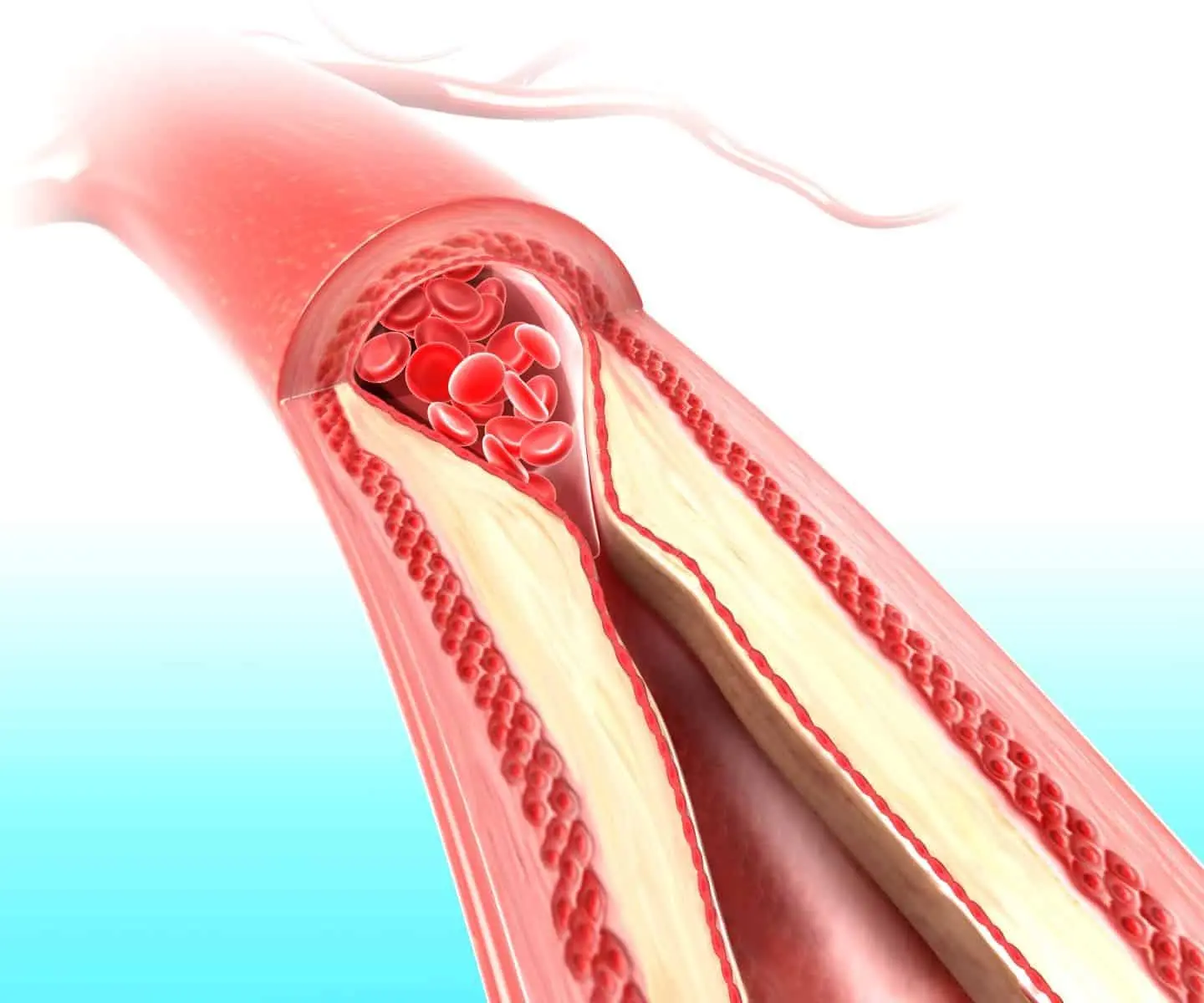
Maintaining healthy blood vessels is essential for overall cardiovascular health and can significantly reduce the risk of heart disease and stroke.