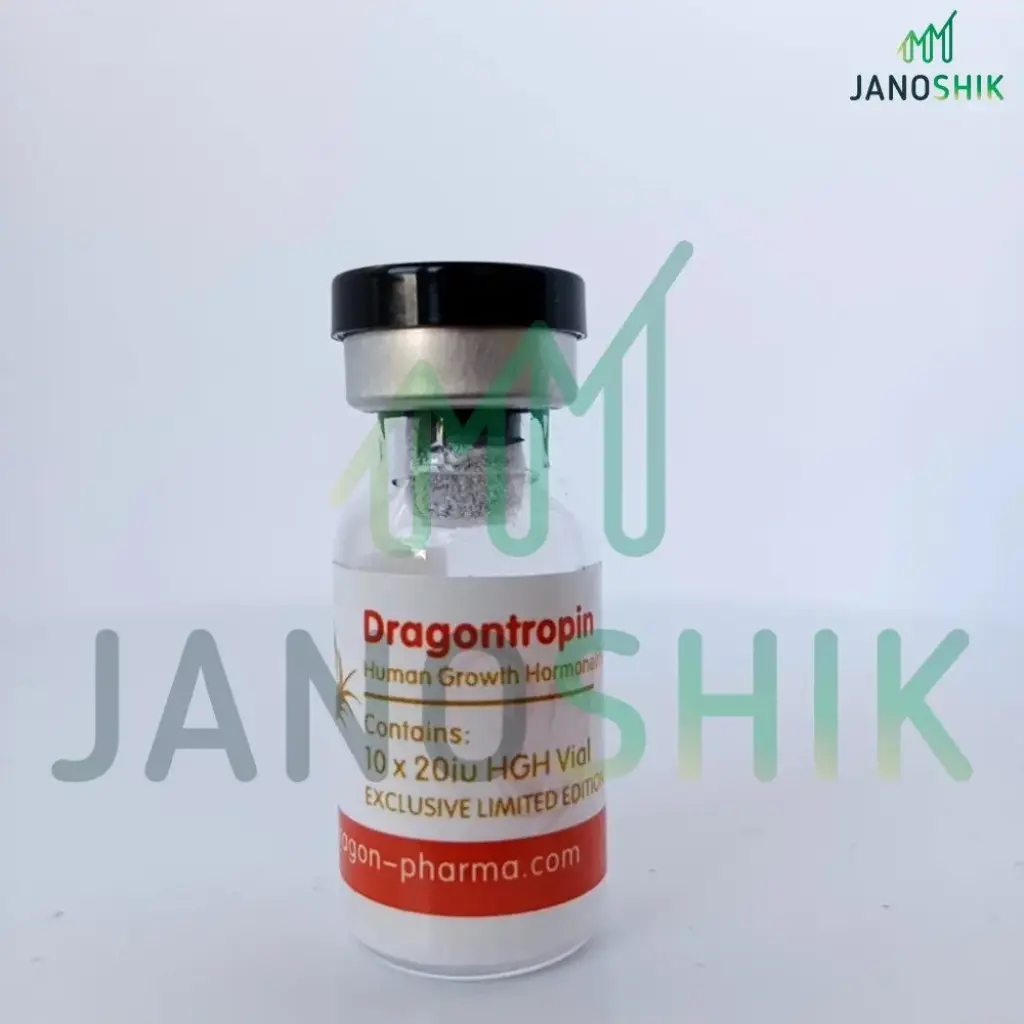
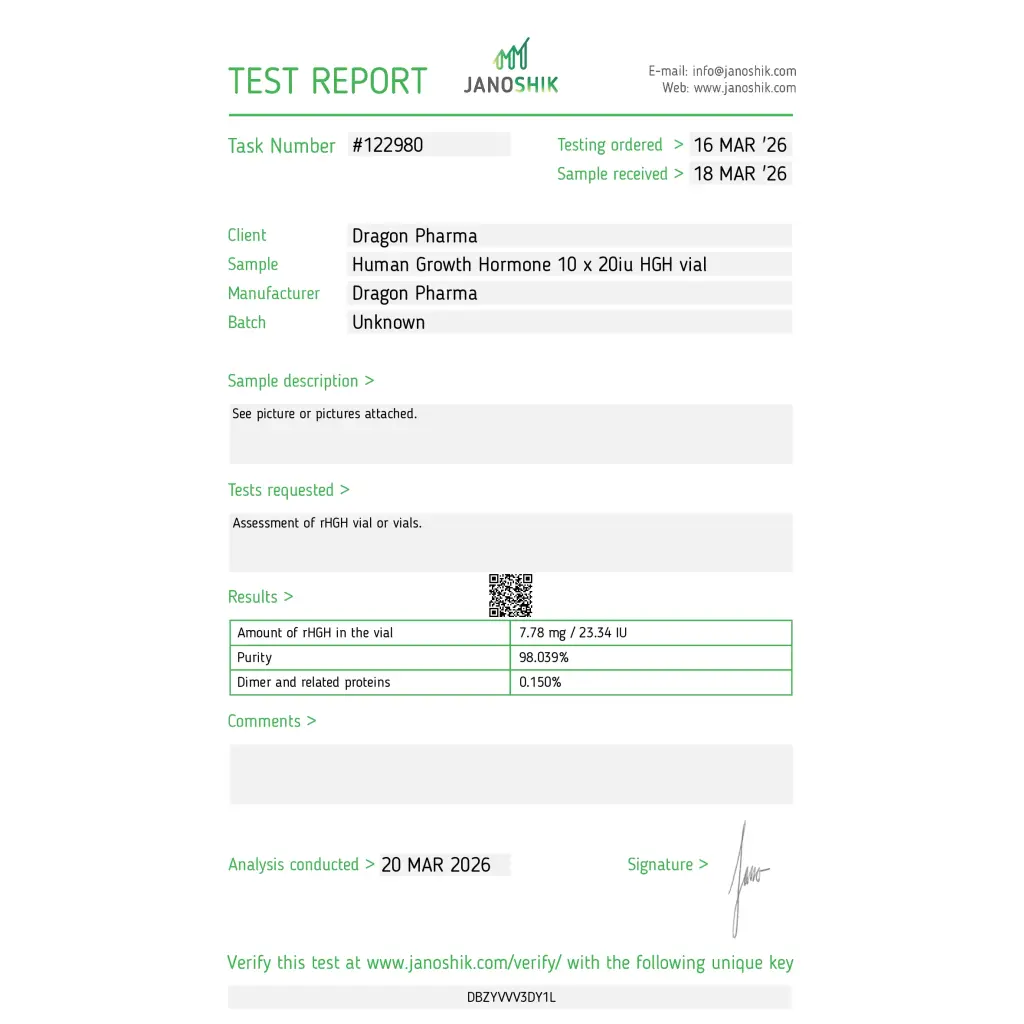
Dragontropin 200 IU
Understanding Human Growth Hormone: A Gateway to Modern Medicine
Human Growth Hormone (HGH) has garnered significant attention in recent years, especially with its association to health and wellness. As people look for ways to enhance their well-being, questions surrounding HGH become increasingly common. Here, we delve into some of the most frequently asked questions about this hormone.
Human Growth Hormone (HGH) is a powerful peptide hormone produced by the pituitary gland that plays a crucial role in growth, development, and metabolism. It stimulates growth in almost all tissues of the body, including bones and muscles, while also promoting protein synthesis and fat breakdown. But what exactly is HGH, and how has it evolved since its discovery?
The Discovery of Human Growth Hormone
The journey of human growth hormone began in the 1950s when scientists first isolated it from the human pituitary gland. However, the significant breakthrough came in 1985 with the development of recombinant DNA technology, which allowed for the production of synthetic HGH. This marked a transformative moment in medicine, as it opened the door for safe and effective HGH therapy. Since then, understanding of HGH has expanded dramatically, leading to its use not only in treating growth disorders in children but also in various applications for adults.
Historical Applications of HGH
Initially, HGH was primarily used to treat children with growth deficiencies caused by genetic or health issues. These children often experienced stunted growth due to insufficient amounts of growth hormone. The administration of HGH therapy had life-changing effects, allowing many to achieve normal height and enhance their overall quality of life. However, the successful application of HGH didn't stop there. In the late 1990s, athletes and bodybuilders began to explore HGH for its potential to improve performance and physique, despite the ethical concerns and regulations surrounding its use in sports.
HGH in Today's Medicine
In contemporary medicine, HGH therapy has expanded beyond pediatrics and into adult health care. It is now recognized for its potential benefits in treating various conditions related to aging and endocrine disorders. For instance, adults suffering from HGH deficiency may experience symptoms such as fatigue, decreased muscle mass, and increased body fat. Through controlled doses of HGH, these individuals can improve their metabolic functions, regain energy, and enhance their overall well-being.
Moreover, recent studies have shown promise in using HGH therapy for age-related ailments, where it may help improve bone density, reduce the risk of cardiovascular diseases, and even enhance skin elasticity. As research progresses, we are gaining a broader understanding of its implications for those looking to combat the effects of aging and maintain a healthier lifestyle.
The Future of HGH Therapy
As our understanding of human growth hormone continues to evolve, so does the discourse surrounding its ethical use in both medicine and sports. While the benefits are promising, it is essential to approach HGH therapy thoughtfully, considering both medical guidelines and individual health assessments. As we look ahead, ongoing research will likely yield new insights into the safe and effective applications of HGH, paving the way for innovative treatments that harness the power of this pivotal hormone safely and responsibly.
In conclusion, human growth hormone has played a significant role in medicine since its discovery, evolving from a simple treatment for children with growth disorders to a multifaceted therapy impacting adult health and wellness. With the right approach and continued research, HGH therapy holds the potential to change lives for the better, offering renewed hope and vitality in an ever-evolving medical landscape.
Frequently Asked Questions HGH
What is Human Growth Hormone (HGH)?
Human Growth Hormone is a peptide hormone produced by the pituitary gland. It plays a crucial role in growth, body composition, cell repair, and metabolism. As we age, our natural production of HGH decreases, leading many to investigate potential benefits of supplementation. While the hormone is essential for growth during childhood, it also supports muscle mass and fat metabolism in adults.
What are the health benefits of HGH?
The health benefits of HGH are often discussed among athletes and those seeking anti-aging solutions. Some of the claimed benefits include increased muscle mass, reduced body fat, improved bone density, enhanced exercise performance, and even better sleep quality. However, it's crucial to note that while some studies support these claims, others suggest results may vary widely from person to person. Always consult with a healthcare professional before considering HGH supplementation.
Is HGH legal to use?
The legality of human growth hormone varies around the world. In many countries HGH can only be prescribed by a doctor for specific medical conditions, such as growth hormone deficiency or certain syndromes. Using HGH for athletic enhancement or anti-aging purposes is illegal without a prescription. Therefore, it's vital to be aware of local regulations and the risks of using unregulated products.
How is HGH administered?
Human Growth Hormone can be administered through injections, which are typically given subcutaneously (under the skin). The dosage and frequency will depend on the individual's needs, medical history, and the specific condition being treated. It's essential for any potential users to work closely with a healthcare provider to determine the best approach to ensure safety and efficacy.
Are there any side effects associated with HGH usage?
Like any hormone treatment, using HGH can have side effects. Common side effects may include joint pain, insulin resistance, swelling, and increased risk of diabetes. More severe reactions can occur if the hormone is misused or taken without medical guidance. This underscores the importance of consulting a healthcare professional before starting any HGH treatment.
In summary, while human growth hormone presents exciting potential benefits for health and wellness, it is surrounded by various regulations and considerations. Understanding the implications of HGH usage and consulting with a healthcare professional can lead to informed decisions that prioritize both health and safety.
No reviews found
Please log in to write Dragontropin 200 IU review.
Dragontropin 200 IU FAQ
What is human growth hormone (somatropin) and how does it function in the body?
Human growth hormone (HGH), known scientifically as somatropin, is a peptide hormone that plays a critical role in growth, metabolism, and body composition. Produced by the pituitary gland, HGH stimulates growth in childhood and adolescence, and it helps maintain tissues and organs throughout life. In adults, it promotes protein synthesis, influences glucose metabolism, and aids in fat metabolism. HGH achieves these actions by binding to specific receptors in various tissues, triggering a cascade of biochemical processes that result in increased cell growth and regeneration.
How does somatropin influence athletic performance and muscle growth?
Somatropin has garnered attention in the athletic community for its potential to enhance performance and facilitate muscle growth. This hormone contributes to increased muscle mass by promoting the growth of skeletal muscle and improving recovery times after strenuous exercise. It enhances the body's ability to utilize fat as a fuel source, potentially leading to improved endurance and reduced fat mass. However, the use of HGH for performance enhancement is controversial and may carry risks associated with misuse, including joint pain, insulin resistance, and other health issues.
What are the medically approved uses of somatropin, and who may benefit from it?
Somatropin is medically approved for various conditions, particularly those involving growth hormone deficiencies. This includes children with growth disorders and adults with growth hormone deficiency related to pituitary disorders. It may also be used in specific situations such as chronic kidney disease, Turner syndrome, and muscle wasting associated with HIV/AIDS. When prescribed by a qualified healthcare professional, somatropin can improve growth outcomes in children and enhance quality of life in adults with deficiencies. The therapeutic use is closely monitored to balance the benefits against potential risks.