


What is Human Growth Hormone?
Human Growth Hormone description
Human Growth Hormone (HGH) is a peptide hormone that plays a crucial role in growth, metabolism, and overall physical development. Produced by the pituitary gland, this vital hormone stimulates growth in children and adolescents, promoting the development of bones and muscles. However, its influence doesn't cease in adulthood; HGH continues to regulate various bodily functions, including fat metabolism and muscle mass maintenance.
As we age, natural HGH levels gradually decline, which has led to increased interest in HGH supplementation for anti-aging and performance-enhancing benefits. While some claim that synthetic HGH can aid in weight loss or improve athletic performance, it's essential to approach these claims with caution. The misuse of HGH can lead to significant side effects, including joint pain, insulin resistance, and an increased risk of diabetes.
Human Growth Hormone effects
HGH's effects extend beyond just physical growth. Research suggests that this hormone also plays a role in mental health, affecting mood, cognitive functions, and even sleep patterns. As such, maintaining balanced HGH levels is vital for both physical and psychological well-being.
If you're considering HGH therapy, it's vital to consult with a healthcare professional. They can provide guidance tailored to your individual needs and discuss potential benefits and risks. While HGH has proven benefits for specific medical conditions, its use as an anti-aging remedy remains controversial and is not universally supported within the medical community.
To summarize, Human Growth Hormone is more than just a hormone associated with growth—it's integral to our overall health throughout life. Understanding its functions and implications can help you make informed decisions about its role in your wellness journey. Whether through diet, exercise, or professional guidance, maintaining healthy levels of HGH may contribute to a more vigorous and balanced life.
News
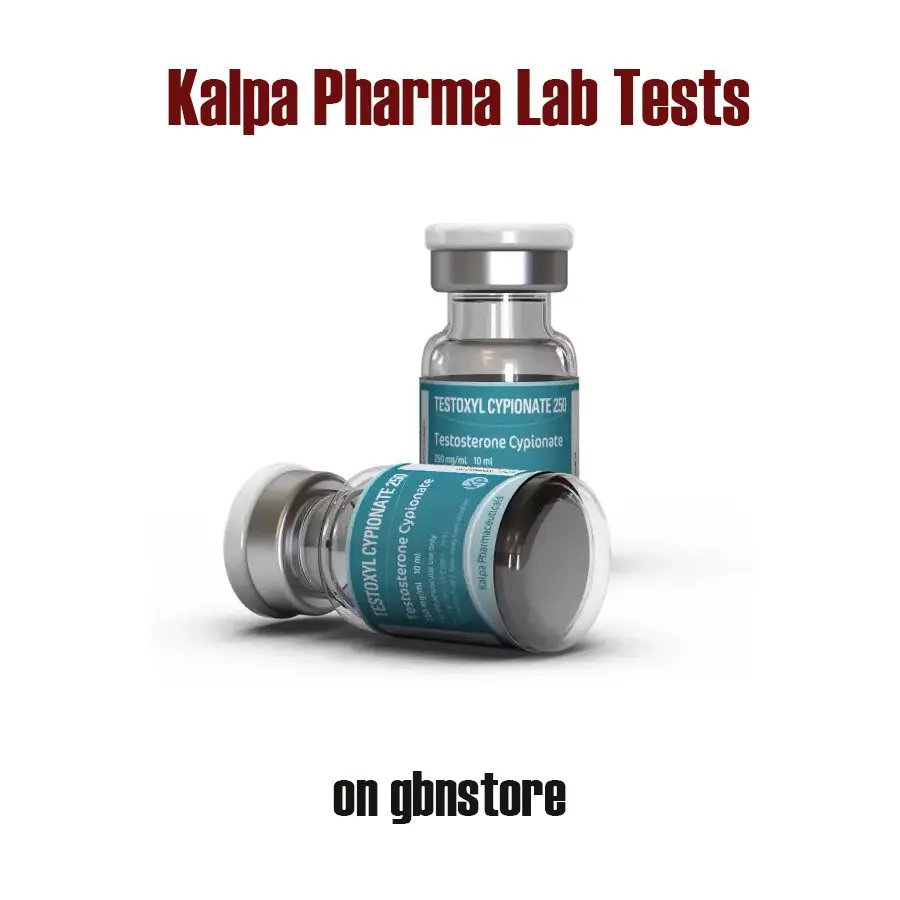
Whether you are using Kalpa or want to use it, this information will be useful.
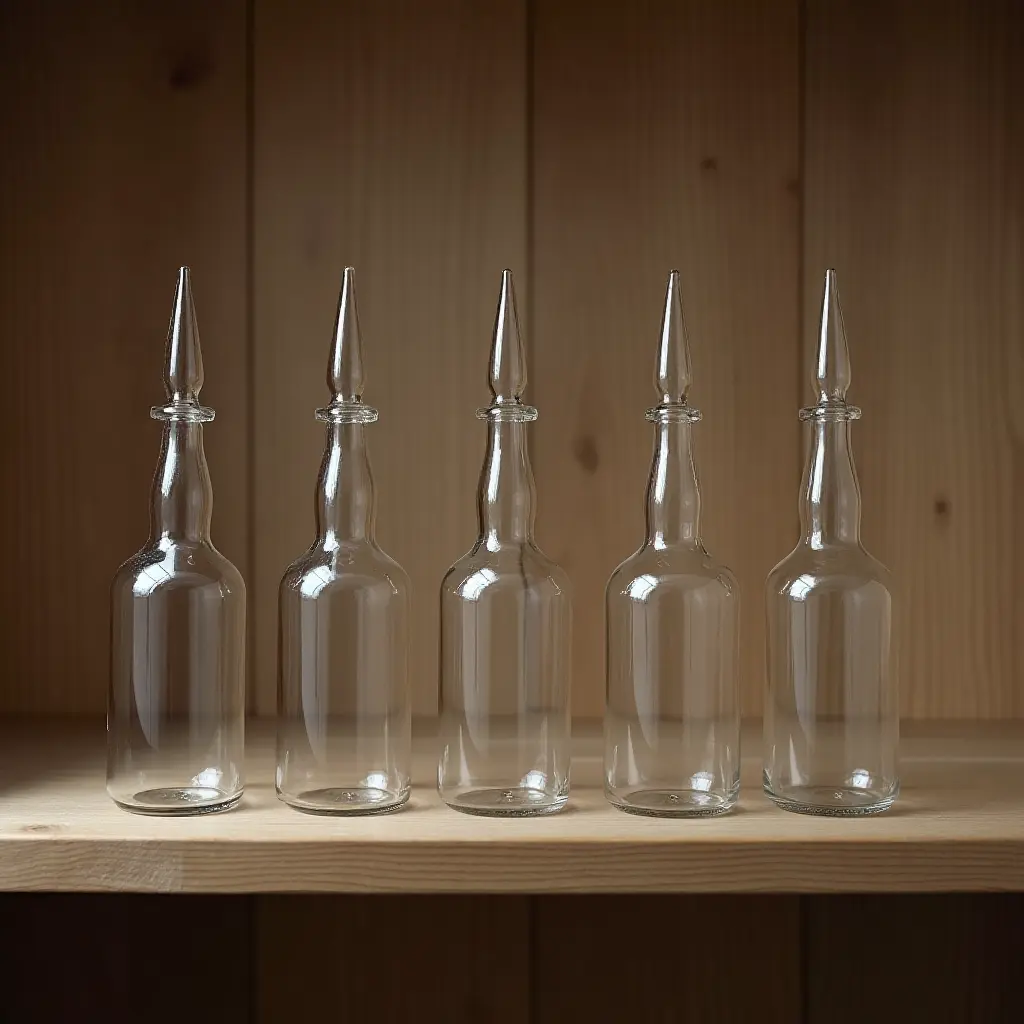
Oils in ampoules are typically single-use and better for preserving sensitive ingredients, protecting them from contamination and oxidation. In contrast, oils in vials can be reused and are more suitable for stable compounds, allowing for multiple doses.

No time? Want ready to go summer cutting cycle? Here it is.